
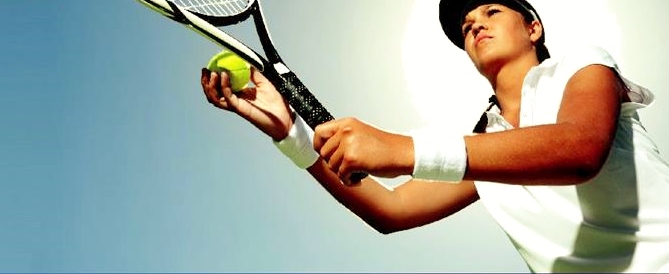
Tennis elbow, more formally known as lateral elbow tendinopathy, is a condition in which pain is felt on the outside of the elbow. It is an injury that is most certainly not limited to tennis players.
Pain symptoms are commonly a result of overuse or repetitive strain caused by repeated extension (bending back) of the wrist against resistance, such as with gardening, painting, chopping food, using a screwdriver or racquet sports. In today’s society where being desk-bound at work is increasingly common, using computers is the most frequent way for tennis elbow to occur in the general population.
It is most common in those aged 35-65 in both men and women and usually occurs in your dominant hand.
How is it caused?
Tennis elbow is thought to be due the breakdown of normal tendon structure in the the tendons that attach the forearm muscles to the lateral epicondyle (bony bump on outside of the elbow). The repetitive stress that causes the tendon structure to become disorganised can be a result of:
- A lack of strength or flexibility in the forearm muscles.
- An instability of the elbow joint.
- Poor technique during sporting activities (especially tennis and golf) that puts too much strain on the elbow joint.
- Inappropriate sporting equipment, such as using a heavy tennis racquet or having the wrong sized grip on a tennis racquet or golf club.
- Repetitive or sustained movements of the hands and arms, such as with painting, using a screwdriver or using a mouse or keyboard. Just think of how much time an average desk-worker spends each week with these muscles contracting with every keystroke, mouse movement or click.
What are the symptoms?
- Pain 1-2cm below the outer edge of the elbow joint. Specific inflammation is rarely present but it extremely tender to touch.
- Weakness in the hand and wrist with difficulty doing simple tasks such as gripping a coffee cup or shaking hands with someone.
- Dull ache when at rest.
- Pain on the outside of the elbow when either the wrist is extended or the middle finger straightened against resistance.
- Pain radiating down the forearm.
How is it diagnosed?
A diagnosis is principally made through clinical testing. X-rays and scans of patients who have the diagnosis of tennis elbow are almost always normal.
How is it treated?
- It is most important to modify aggravating activities. Complete rest/ avoidance of aggravating activities was previously advocated however recent literature has stated that performing activities and exercises in low levels of pain enables the tendon to increase its strength and capacity.
- Strengthening of the forearm muscles and surrounding muscles.
Professional help
If the pain in your elbow that you are managing yourself does not improve it is best to seek advice and consult with one of our physiotherapists to get an accurate diagnosis of the injury and the most appropriate treatment plan. Other sources of similar elbow pain may require different treatments eg. nerve entrapment or neural irritation.
A physiotherapist at Jubilee Sports Physiotherapy can provide:
- Manual therapy techniques such as gentle massage or myofascial release to the forearm muscles.
- A supportive brace to reduce pain and protect the tendon whilst healing and strengthening, particularly when returning to sport/work.
- Specific stretching exercises as appropriate (For example if there is a neural component).
- Advise on an appropriate strengthening rehabilitation program. Specifically a research based tendinopathy rehab protocol, involving progressive loading.
- Correction of any predisposing factors leading to tennis elbow, including assessment of the upper limb kinetic chain.
- Dry needling has been found to an effective adjunct in the treatment of tennis elbow symptoms in conjunction with strengthening and stretching exercises.
How long will tennis elbow take to get better?
Getting treatment early can dramatically reduce your recovery time & minimise the disruption of your normal work & daily activity. Mild cases that are treated early can make a full recovery in 8-10 weeks with only mild alteration in your normal activity, especially by using the brace. However the rate of recovery differs from person to person, & in cases where the problem has been left to worsen for some time then recovery can take 6 months or more.
For more information regarding tennis elbow or to arrange an assessment of your condition contact one of the physiotherapists at Jubilee Sports Physiotherapy.