

What is gluteal tendinopathy?
Gluteal tendinopathy (GT) is lateral hip pain originating from the glute Medius and Minimus tendons.
GT is an overload injury caused by failure of the tendons to adapt to load. Therefore, you will likely be able to trace symptoms back to a period of either increase in activity (load) or a period of extended rest followed by a quick reintroduction to activity.
The glute Medius is the thickest tendon in the body and is responsible for supporting bodyweight in single leg actions.
1 in 4 women over 50 will experience GT due to the peri-menopause related loss of oestrogen which is typically protective of tendons and well as typically having greater femoral neck angles which increase compressive forces.
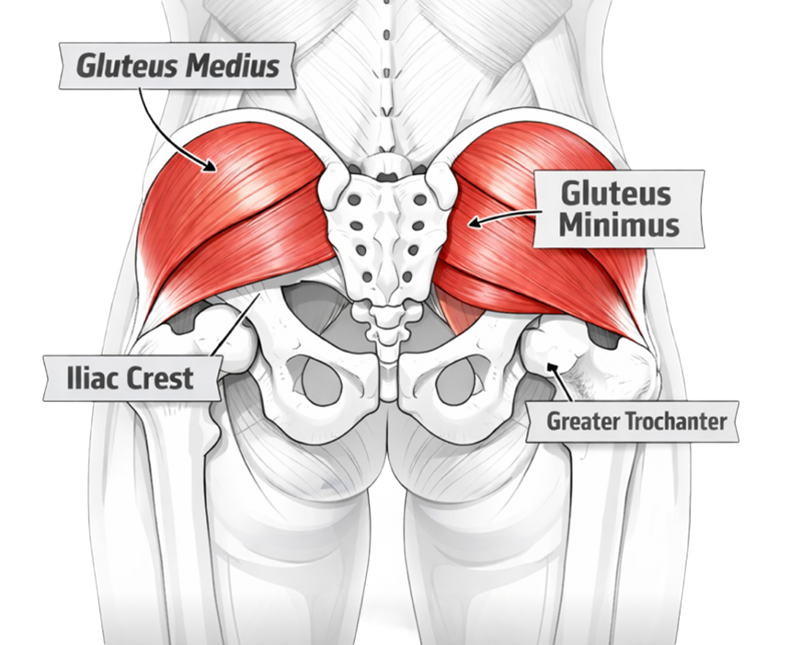
Typical presentation and symptoms
People may report:
- A gradual onset of lateral hip pain which may radiate towards the knee. Rarely, the pain can radiate towards the low back and buttock region or slightly forwards towards the front of the hip.
- Pain and stiffness on waking.
- Difficulty sleeping on their side.
- Pain when low sitting, ascending hills/stairs, carrying children on hips, standing with a lean towards the affected side.
- Less commonly a bump to the side of the hip may trigger symptoms.
- Poor balance.
Management
Management for GT will largely revolve around the following 3 components:
Load management:
A large part of rehabilitation is determining what level of activity you can perform safely without aggravation and building upon this.
Activity modification:
Attempting to eliminate all compressive forces on the tendon in activities of daily living.
Graded strengthening of the tendon:
Strength exercises will create structural changes within the tendon which will improve its capacity to perform desired activities.
Adjunct therapies shown to be effective in the short-term include manual therapy and sometimes corticosteroid injections are considered. However, this is only if pain is high and there are no associated tears.
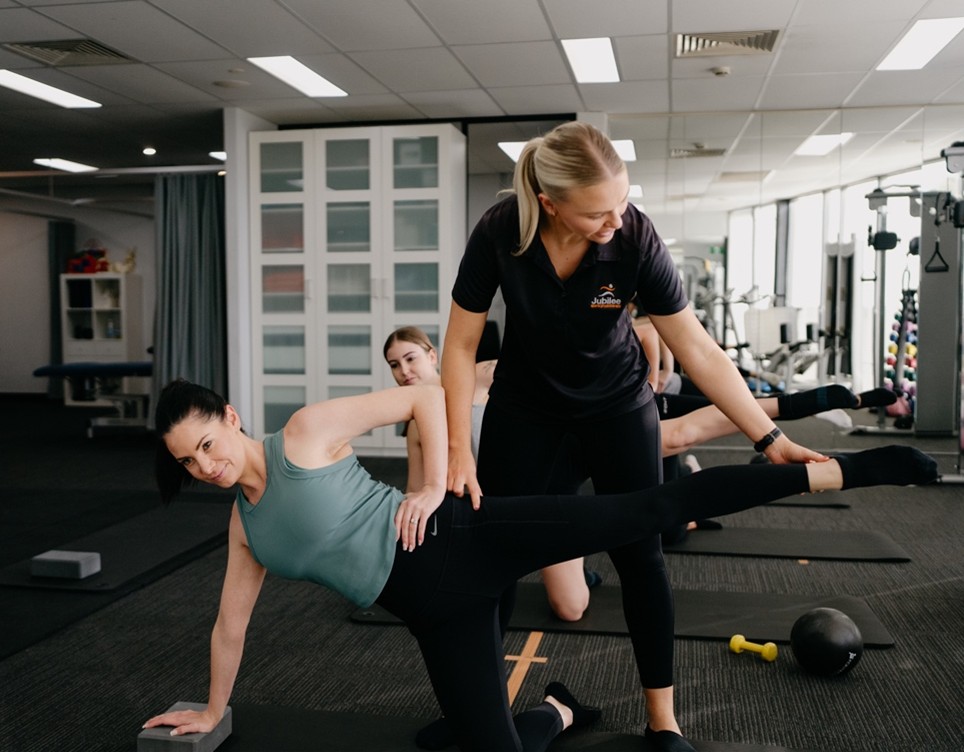
Exercises
Performing a gluteal strength program is a vital component of your rehabilitation.
Isometric exercises:
These exercises are usually most appropriate during the early stage of rehabilitation, where the tendon may still be sensitive and irritable. This is when you activate your gluteal muscles but without moving the leg through range. A common example of this is an isometric side leg lift.
Isotonic exercises:
Once you’ve worked through isometric exercises and the gluteal tendon irritability has reduced, concentric/eccentric exercises are the next progression. This is when you active your gluteal muscles by moving the leg through range. A common example of this a side leg lift however this time you move your leg up and down.
In the early stage of gluteal tendinopathies, it is important to avoid stretching the gluteal muscles. Although it may feel good while you are doing it, in doing this, it may further irritate the affected gluteal tendons and worsen your symptoms later.
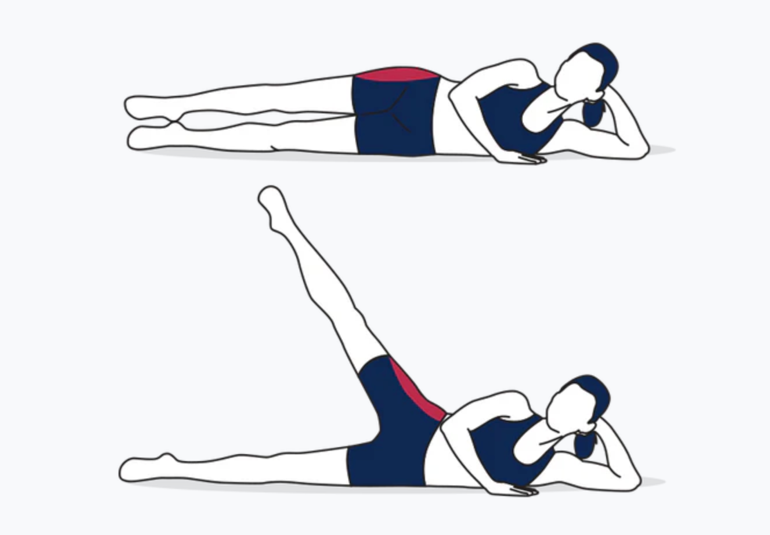
It is important to ensure the correct type and intensity of strength exercises is prescribed. If you would like further information on management of gluteal tendinopathy, contact one of the physiotherapists at Jubilee Sports Physiotherapy who can guide you in your rehabilitation.