

ACL Injury Management
The Anterior Cruciate Ligament (ACL) is one of the major ligaments of the knee. The ACL is crucial for stabilising the knee joint and controlling forward and rotational movements.
ACL injuries in Australia are becoming increasingly more common, particularly in the younger population. They typically occur in athletes involved in sports requiring quick changes in direction or sudden pivoting, such as football, basketball and rugby.
The three major types of ACL injuries are described as:
-Direct contact
-Indirect contact
-Non-contact (approx. 70% of cases)
Once professionally diagnosed, there may be various pathways available for treatment. These include
-Surgical path
-Rehabilitation only path
-Cross bracing protocols
A number of factors need to be considered and may help decide what path is taken. These include
-Degree of knee instability
-Type of tear
-Associated injury
-Sport played
-Age
-Social factors such as the cost of treatments
Surgical Path
Patients who want to return to high levels of activity or continue sports involving pivoting normally require a reconstruction. Other indications for surgery include young patients, people who work in an environment where knee stability is critical for safety/function, or if the knee is giving way regularly and interfering with quality of life. All these factors are discussed with your physiotherapist and surgeon before deciding on the surgical path.
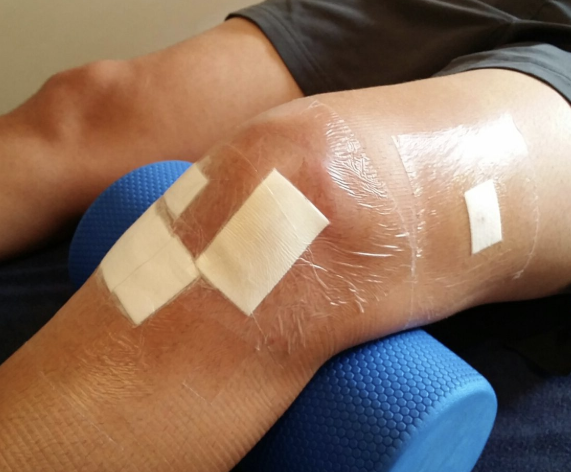
The surgery is usually performed using arthroscopic techniques, which involves making small incisions and inserting a camera and surgical instruments into the knee.
Surgery involves the use of different grafts to reconstruct the ACL. These may include:
-Hamstring tendon
-Quadriceps tendon
-Patella tendon
-Allograft (donor graft)
Post-operative physiotherapy is critical to ensure success of the surgery. Usually, physiotherapy begins within the first few days post-op. The patient will follow a protocol prescribed by the surgeon that progresses through rehabilitation phases. Initial rehabilitation includes controlling swelling/pain and minimising muscle atrophy. Progressions are made over time until the patient is able to return to running/training and finally return to play. This is criteria based to ensure the safest return to sport and performance.
Exact timelines for this can vary from person to person based on a number of factors such as:
-Graft Choice
-Secondary Structural Damage
-Age
-Pain and Swelling
Any many more…
Rehabilitation Only
For people with an ACL tear, the rehabilitation only path may be a viable option depending on their goals, lifestyle choices and stability of their knee post injury. This path may enable a quicker return to daily activity and sport compared to surgical management.
The rehabilitation pathway may or may not include a bracing protocol based for your injury depending upon on the type of ACL tear as well other associated injuries.
Either way, physiotherapy is critical, as a structured rehabilitation program involving strength and conditioning is required to help stabilise the knee. Early stages focus on restoring movement patterns and strength of the lower limb. Later stages of rehabilitation focus on proprioceptive retraining to minimise further instability and reduce the risk of further injury.
While some people who opt for non-surgical management will have ACL healing, others will not. however, the important criteria for success in the rehabilitation pathway is functional stability of the knee, not necessarily ACL healing.

Cross Bracing Protocol
The Cross Bracing Protocol is a non-surgical rehabilitation method that promotes and enhances functional healing in ACL injuries using a bracing protocol.
This involves using a ROM brace, ideally within the first 10 days post injury, locking the knee at 90 degrees for four weeks and typically non weight bearing for the initial 6 weeks. Each week permits increased extension over a twelve-week period; however, this can vary depending on your injury and recommendations from your specialist. This aim of this protocol is to encourage connective tissue formation between torn ACL ends.
The Cross Bracing Protocol was pioneered by Australian Sports and Exercise Medicine Physician Dr Tom Cross.
Research (Filbay et al., 2023) showed promising results:
-72 out of 80 participants exhibited ACL healing on MRI scans after 3 months
-This correlated with improved knee function and higher return-to-sport rates
Physiotherapy led rehabilitation is important whilst the brace is worn and in the months following removal. Initial rehabilitation aims include controlling swelling/pain and minimising muscle atrophy. Exercises are progressed as the ROM brace range increases with the aim of increasing knee range of motion, improving lower limb strength and proprioception. After the brace is removed, rehabilitation progresses in difficulty becoming criteria-based for return to running and play.

References:
https://www.mediaustralia.com.au/products/therapy-concepts/cross-brace-protocol/
https://www.sydneyknee.com.au/knee-info/knee-procedures/acl-reconstruction/
Anterior Cruciate Ligament Rehabilitation and Return to Sport: How Fast Is Too Fast?
Kristen Waldron, Matthew Brown, Ariana Calderon, Michael Feldman
Healing of acute anterior cruciate ligament rupture on MRI and outcomes following non-surgical management with the Cross Bracing Protocol
Stephanie R Filbay, Matthew Dowsett, Chaker Jomaa, Jane Rooney, Rohan Sabharwal, Phil Lucas, Andrew Van Den Heever, James Kazaglis, Justin Merlino, Mick Moran, Maggie Allwright Donald E K Kuah, Ra Durie, Greg Roger, Mervyn Cross, Tom Cros